
How to evaluate the quality of your harmonic gearbox?
Release time:
2022-07-13
Six key aspects of the quality of harmonic gearboxes: 1) Appearance inspection; 2) Bearing condition; 3) Ring gear quality; 4) Integrity of lubrication system; 5) Adaptability of performance parameters; 6) Run tests. By comprehensively examining these indicators, the quality of harmonic drives can be comprehensively evaluated to ensure that they meet application requirements.
Motor high speed harmonic reducer. Low speed converts to low torque. High torque transmission with low noise. High efficiency. High torque. High precision. Widely used in aerospace life-long maintenance-free features. Medical and health care. Industrial robots. CNC machine tools. Automobile manufacturing. Environmental engineering and other industries.
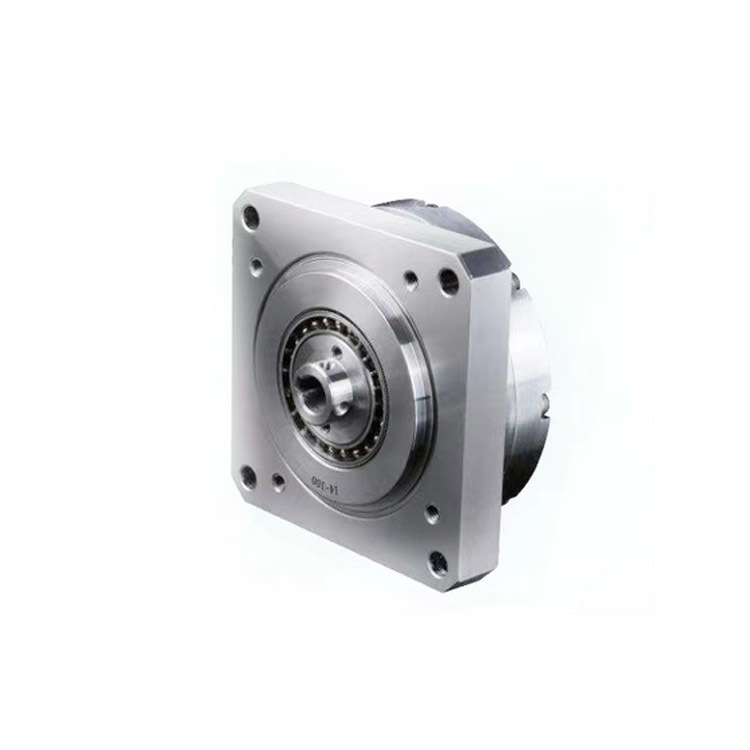
Harmonic gearboxes are an indispensable part of precision mechanical equipment, with their quality directly affecting the stability and efficiency of the entire system. Evaluating the quality of a harmonic gearbox involves critical considerations in the following areas:
Visual Inspection: A high-quality harmonic gearbox should appear neat and aesthetically pleasing, with no rust, obvious wear, or scratches. It’s necessary to check whether its structural components are deformed or cracked, and that all screws are tightened with no looseness or detachment.
Bearing Condition: Bearings are crucial for ensuring the rigidity of the gearbox. They should be checked for good condition, free from wear, noiseless operation, and should run smoothly without obstructions.
Quality of the Gear Ring: The quality of the gear ring is a key factor affecting the precision and life span of the gearbox. Careful examination is required to ensure gears show no wear or broken teeth, and that the tooth count is uniform and finely detailed.
Integrity of the Lubrication System: A well-functioning lubrication system is essential for the operation of the gearbox. The quality of the lubricating oil should meet standards, with appropriate oil level and volume maintained.
Adaptability of Performance Parameters: Performance parameters are crucial metrics for assessing the quality of the gearbox, including but not limited to output power, efficiency, and noise. These indicators must meet the requirements specified in product manuals or technical specifications.
Operational Testing: After installation, operational testing should be conducted to observe if the gearbox exhibits any abnormal noise, vibration, or overheating.
Careful consideration of these factors can help users comprehensively assess the quality of the harmonic gearbox, ensuring that the selected or used gearbox meets the application needs and guarantees the reliability of system operation.
Key words:
Latest News
Share

WeChat Public Number

WeChat Consulting
Service Hotline
+86-0755-23714105
Tel: +86-13392402262 Wendy Luo
Email:Wendy@homwing.com noppy@homwing.com
Add: 3/F, Building 1, Xinyuan Industrial Zone, Shangwei Park, Guxing Community, Xixiang Street, Bao'an District, 518126 Shenzhen,China